

The district of Nalgonda in Telangana is overflowing with important historical, religious, and architectural sites. It contains not just ancient Buddhist relics but also temples of great historic import and a fort with an impressive past that together make the district a prime candidate for a tour around the next corner of the state.
Here are some places worth checking out in the Nalgonda district, accompanied by an explanation of why they’re worth a visit.
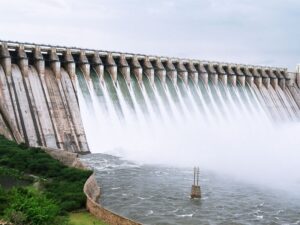 Nagarjuna Sagar Dam:
One of the significant hydroengineering projects in India is the Nagarjuna Sagar dam, built on the Krishna River in the Nandikonda area.
- The world’s largest masonry dam, it soars to a height of 124 meters
- This dam is India’s largest dam made of stone.
- Under the leadership of Jawaharlal Nehru, construction started in 1955 and was finished in 1967.
- Relics of the Buddha were uncovered during the construction, and they are now kept in the Nagarjuna Konda Museum.
- The reservoir’s center holds an important component of the Island Museum known as Nagarjuna Konda. There, the dam provides an opportunity for essential tourists and history research around the site
Sri Chaya Someswara Temple
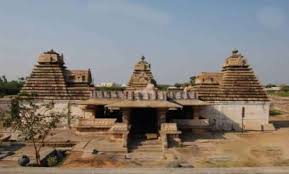 The temple of Sri Chaya Someswara, in Panagal (Paragallu), Nalgonda district, is a Kakatiya-era architectural masterpiece.
- Built by the Kanduri Chodas, local rulers under the Kakatiya dynasty.
- What the temple is renowned for is the extraordinary architectural phenomenon—a shadow (Chaya) of a column, which consistently falls upon the Shivalinga, day and night, with no readily apparent light source to account for it.
- This unique engineering anomaly has puzzled and fascinated both scholars and devotees.
- Panagal is home to another remarkable temple that amplifies the religious significance of the area: the Pachchala Someshwara Temple.
Devarakonda Fort
 The fort, built on seven hillocks, is a grand hill fort demonstrating the fundamental brilliance of ancient Indian commanders and their choice to use the hill forts as defensive structures.
- Built by the rulers of Recharla Padmanayak, the fort served as a stronghold against enemy encroachments.
- The fort’s natural position, its tough landscape, and its structure make it a sought-after place for historical and adventure tourism.
- The fort’s remnants provide a peek into the medieval period’s military construction, showcasing that era’s engineering abilities.
