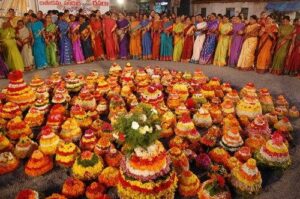
Bathukamma: The Floral Festival of Telangana
Telangana boasts a wealth of traditions, culture, and spirituality. Of all its festivals, Bathukamma is the most vibrant and unique way of displaying devotion to the country’s Mother Goddess, Gauri (Parvati). The festival is centered around a celebration of nature that gives women the opportunity to come together in a display of riverbank reverence to imagine and fashion a Bathukamma (Mother Goddess) with flora (water.) As Telangana’s state festival, declared in 2014, Bathukamma has become an identity marker, a rallying point for communities throughout the state’s far-flung districts to come together and joyously commune in holy devotion. In the Festival of Bathukamma, Telangana offers the world a glimpse of its vibrant and unique way of life. (Ken Moore; S. Ramakrishna)
Bathukamma is the vibrant identity marker of Telangana, a way for communities to come together and commune in holy devotion. The following article explores the history of Bathukamma, the preparations for it, and the way it has become a holy festival for communities across Telangana.
A Festival of Colors, Flowers, and Togetherness
Bathukamma is celebrated only in Telangana and is often called the festival of life. It starts on Bhadrapada Amavasya (New Moon Day). For nine days, it lasts until Saddula Bathukamma (Durga Ashtami). This time period marks the beginning of autumn. The fields of Telangana are reminiscent with colorful blooming flowers. To that end, it’s the absolutely ideal time to pay nature any number of honors.
One of the most delightful customs of this festival is that women celebrate it in the warmth of their maternal homes. This return home not only permits women to revel in the comforts of their childhood abodes, but also engenders among mothers, daughters, and sisters a sense of solidarity and togetherness that is, quite frankly, impossible to eschew. It is a time of joy, laughter, and shared memories—all but mandatory among those revering this festival.
The Rituals of Bathukamma
Women create a gorgeous floral arrangement that lies at the heart of Bathukamma. They carefully collect flowers such as Thangedu (Tanners Cassia), Gunugu (Celosia), Marigold, Gaddi Poolu (Amaranth), Lotus, and Chrysanthemum. And they fashion the flowers into a cone shape. When the vision of this floral arrangement first appears, it is likely that a remembered image of Bathukamma gives way to the sight of Gouramma, a doll fashioned of turmeric and served as an offering to the divine feminine.
When the sun goes down, circles of women can be found around the glowing Bathukamma. Enveloped in the flickering light of the hovering Bathukamma, the women sing traditional folk songs while clapping in rhythm and dancing in joyous harmony. The songs tell tales of love and devotion, and the fluttering Bathukamma seems to be telling the stories in rhythmic time with the heartbeat of the gathered crowd. There’s no mistaking it. This is a space where life and womanhood are being celebrated. And it’s happening not just today, not just this week, but across the space and time of the festival.
At the close of the day, the Bathukamma is brought to a nearby body of water and immersed with reverence. A symbolic gesture, it is one of thanking nature and asking for her blessings for prosperity and well-being.
The Nine Days of Bathukamma:
The names and special food offerings (Naivedyam) for each day of Bathukamma, a festival celebrated in Telangana, India, tell you all you need to know about the vibrant and wholesome preparations that make up this unique festival. Completing a daily ritual—which is a must for women during Bathukamma—calls for singing, dancing, and performing puja (worship).
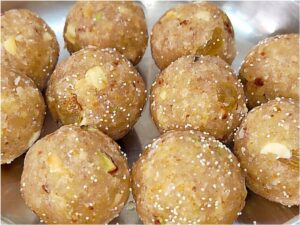
Engili Pula Bathukamma – Pray with sesame seeds and coarse rice. Atukula Bathukamma – Boiled lentils, flattened rice, and jaggery. Muddapappu Bathukamma – Mashed dal, milk, and jaggery. Nanabiyyam Bathukamma – Wet rice, milk, and jaggery. Atla Bathukamma – On the day of Atlu (pancakes) or dosa. Aligina Bathukamma – No Bathukamma today. Vepakayala Bathukamma – Rice flour shaped like Neem tree fruits. Vennamuddala Bathukamma – Sesame seeds, ghee, and jaggery. Saddula Bathukamma – The grand finale with Sattu pindi (roasted flour) offered to the goddess.
On the final day, Saddula Bathukamma, a special sweet dish called Maleeda (a mix of crumbled roti and jaggery) is prepared and offered to the goddess before being shared among all participants.
More Than Just a Festival
Bathukamma is linked closely with the feminine form of energy and the worship of Goddess Parvati. It is thought that performing the act of Bathukamma bestows blessings upon women, grants them marital bliss with their husbands, protects the husbands from all kinds of harm, and ensures the prosperity of the family.
The festival holds some moving practices, one of which is when women take paste made from turmeric and apply it from the Gouramma idol to the Mangala Sutra. This act is a prayer for long life and good health for their husbands—making the festival about far more than the decorative turmeric and colored rice.
The Official Recognition of Bathukamma
The Telangana government declared Bathukamma a state festival on June 16, 2014, recognizing its significance in the state’s cultural heritage. Since then, the festival has garnered international attention and acclaim, with the various Telangana communities around the world celebrating Bathukamma.
Bandaru Sujatha Shekar, an eminent research scholar, has made an extensive study of Bathukamma folksongs and traditions. The pensiveness in fresh articulation by Smt. S. Shekar makes the book “Telangana Bathukamma: Pauranika, Samajika, Samskrutika Basha Parishilana” very readable and forms the basis of this review.