
- Monocropping involves cultivating a single agricultural species on a piece of land at a time. It can lead to soil fertility depletion, soil structure damage, and increased reliance on che
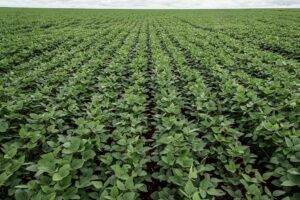
Monocropping mical fertilizers. Pests and diseases may also proliferate due to this practice
- Mixed cropping entails growing two or more crops simultaneously on the same land. For instance, wheat and gram can be cultivated together. This method mitigates the risk of crop failure due to adverse weatherand provides insurance against losses. The crops chosen for mixed cropping should have varied maturation times and water requirements.
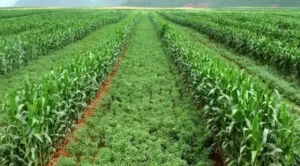 Intercropping involves planting more than one crop in alternating rows on the same field simultaneously. For example, after one row of the main crop, three rows of intercrops can be sown. This enhances productivity per unit area.
 Crop rotation is a practice where different crops are cultivated successively on the same land in a predetermined sequence. Crops are categorized based on their duration, with options like one-year rotation, two-year rotation, and three-year rotation. Legumes are often included in rotation to improve soil fertility, with crops requiring high fertility levels following legumes. Low-input crops typically follow those requiring higher inputs.
