
- Human Health &Diseases
- Fundamentals of Health and Nutrition
- Understanding Diseases and Pathogens
- Major Communicable Diseases
- Major Non-Communicable and Genetic Diseases
- Emerging Diseases and Public Health Threats
- The Human Immune System
- Vaccination and Vaccine Technologies
- History of Diseases in India: From Ancient Times to the Modern Era
- Diseases Prelims Previous Year Questions
Types of Vaccines (Vaccine Technologies)
Mechanism of Cell-Mediated Immunity
Historically and scientifically, vaccines are developed using several different platforms depending on the nature of the pathogen.
1. Live-Attenuated Vaccines:
a) Mechanism:
- These use a living, but severely weakened (attenuated), version of the germ that causes the disease.
- Because they are so similar to the natural infection, they create a strong, long-lasting immune response.
- Often, just one or two doses provide lifetime protection.
b)Limitation:
- Because they contain a live (though weak) virus, they are generally not given to people with severely weakened immune systems (such as HIV patients or those on chemotherapy).
- They also require strict refrigerated storage (the “Cold Chain”).
Examples: OPV (Oral Polio Vaccine), BCG (for Tuberculosis), Measles, Mumps, Rubella (MMR), and Rotavirus vaccines.
2. Inactivated (Killed) Vaccines:
a) Mechanism:
- These use a version of the pathogen that has been completely killed or inactivated using chemicals, heat, or radiation. They cannot cause the disease or multiply in the body.
b) Limitation:
- They do not provide immunity that is as strong as live vaccines. Therefore, patients require several doses over time, known as booster shots, to maintain ongoing immunity.
Examples: IPV (Inactivated Polio Vaccine), Rabies vaccine, Hepatitis A vaccine, and Covaxin (for COVID-19).
3. Toxoid Vaccines:
a) Mechanism:
- Some bacterial diseases are not caused directly by the bacteria itself, but by the poisonous toxins the bacteria secrete. Toxoid vaccines use a chemically inactivated version of this toxin (called a toxoid). The immune system learns how to fight off the toxin rather than the bacteria.
Examples: Tetanus (the “T” in DPT vaccine) and Diphtheria.
4. Subunit, Recombinant, and Conjugate Vaccines:
a) Mechanism:
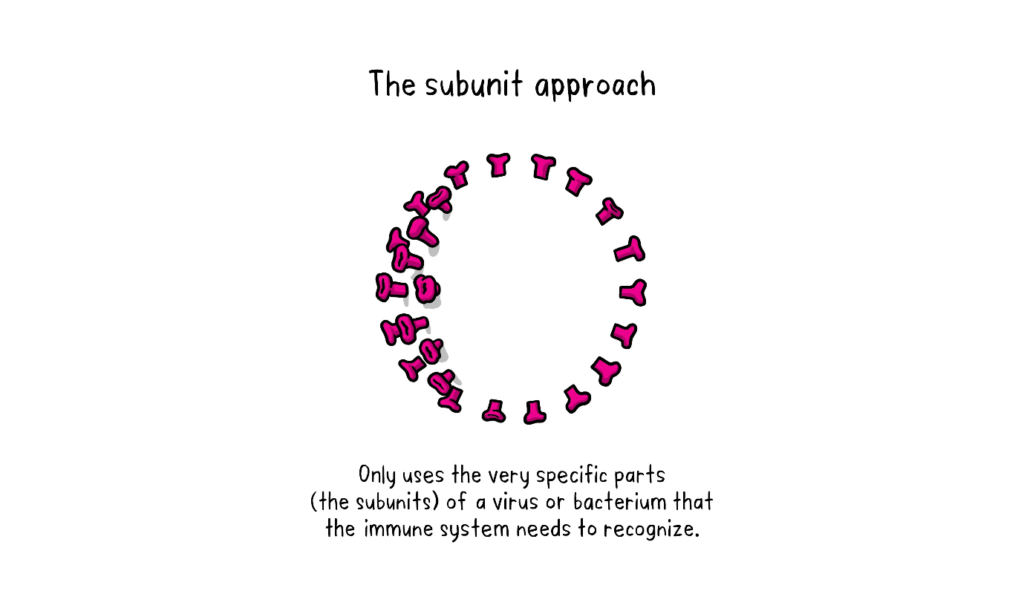
- Instead of using the entire pathogen, these vaccines use only a very specific part of the germ—such as a specific protein, sugar coat, or casing. Because they use only essential parts, they give a very strong and highly targeted immune response with minimal side effects.
Examples: Hepatitis B vaccine, HPV (Human Papillomavirus) vaccine, and PCV (Pneumococcal Conjugate Vaccine).
5.Viral Vector Vaccines:
a)Mechanism:
- These use a completely different, harmless virus (the “vector”) as a delivery vehicle.
- The harmless virus is genetically eangineered to carry a piece of genetic code from the dangerous pathogen into the human body.
- The body reads this code, builds the pathogen’s protein, and then the immune system learns to attack it.
Examples: Covishield (uses a chimpanzee adenovirus vector) and the Ebola
6. Messenger RNA (mRNA) Vaccines:
a)Mechanism:
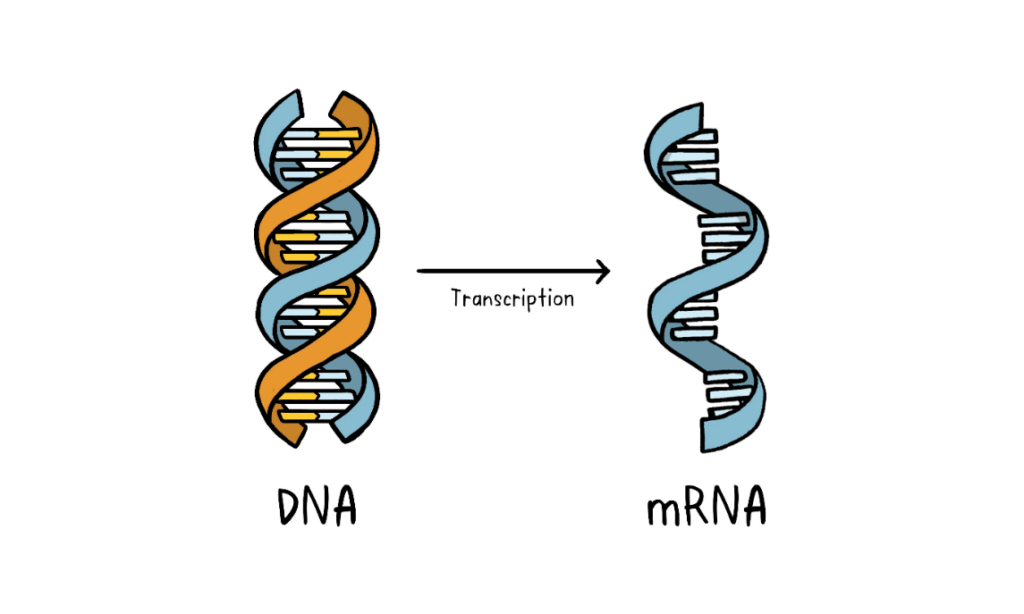
- These vaccines contain no viruses. Instead, they contain synthetically created mRNA (genetic instructions).
- When injected, the mRNA instructs the human cells to temporarily manufacture a harmless piece of the pathogen (like the spike protein of the coronavirus).
- The immune system detects this foreign protein and builds immunity.
- The mRNA is then naturally broken down and removed by the body.
Examples: Pfizer-BioNTech and Moderna COVID-19 vaccines.
Significance: This technology allows for incredibly rapid vaccine development during sudden pandemics.
7. DNA Vaccines:
a)Mechanism:
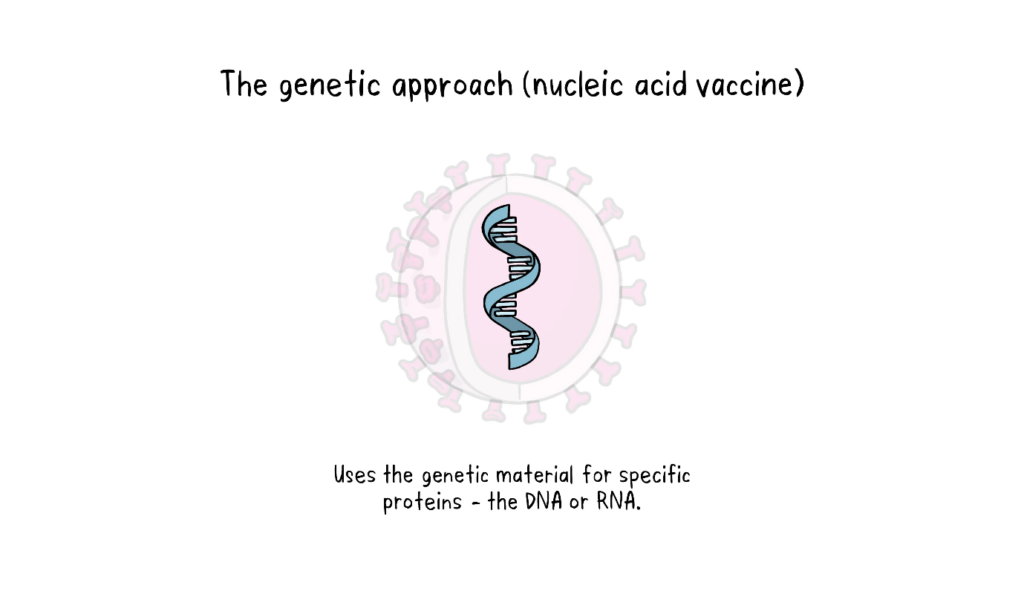
- Similar in concept to mRNA, but uses a circular piece of DNA (a plasmid) to deliver the genetic instructions to the cells.
Example: ZyCoV-D (developed in India, the world’s first plasmid DNA vaccine approved for humans).
Adjuvants and the Cold Chain
- Adjuvants: In many vaccines (especially inactivated and subunit types), the immune response might be too weak. Scientists add specific chemical substances called adjuvants to the vaccine to significantly boost the body’s immune response. Aluminium salts (Alum) are the most commonly used adjuvants globally.
- The Cold Chain: Most vaccines are highly sensitive biological products. They can be completely destroyed by heat, sunlight, or freezing temperatures. The “Cold Chain” is a massive, unbroken system of specially designed refrigerators, cold boxes, and ice packs used to store and transport vaccines at a strict temperature range (usually between 2°C and 8°C) from the manufacturing plant all the way to the rural health clinic. If the cold chain is broken, the vaccine loses its potency and becomes useless.
