
- Human Health &Diseases
- Fundamentals of Health and Nutrition
- Understanding Diseases and Pathogens
- Major Communicable Diseases
- Major Non-Communicable and Genetic Diseases
- Emerging Diseases and Public Health Threats
- The Human Immune System
- Vaccination and Vaccine Technologies
- History of Diseases in India: From Ancient Times to the Modern Era
- Diseases Prelims Previous Year Questions
Diabetes Mellitus
Understanding Diabetes
Diabetes Mellitus, commonly referred to simply as diabetes, is a chronic metabolic disorder. It is characterized by persistently elevated levels of blood glucose (or blood sugar). Over time, this high level of glucose in the blood causes serious damage to the heart, blood vessels, eyes, kidneys, and nerves.
Mechanism of insulin
- To understand diabetes, it is essential to understand the biological mechanism of insulin.
- When human beings consume food, the digestive system breaks down carbohydrates into glucose, which enters the bloodstream.
- To utilize this glucose for energy, the body relies on a hormone called insulin, which is produced by the beta cells of the pancreas.
- Insulin acts like a biological key, unlocking human cells so that glucose can enter them. In a person suffering from diabetes, this fundamental process breaks down.
Types of Diabetes
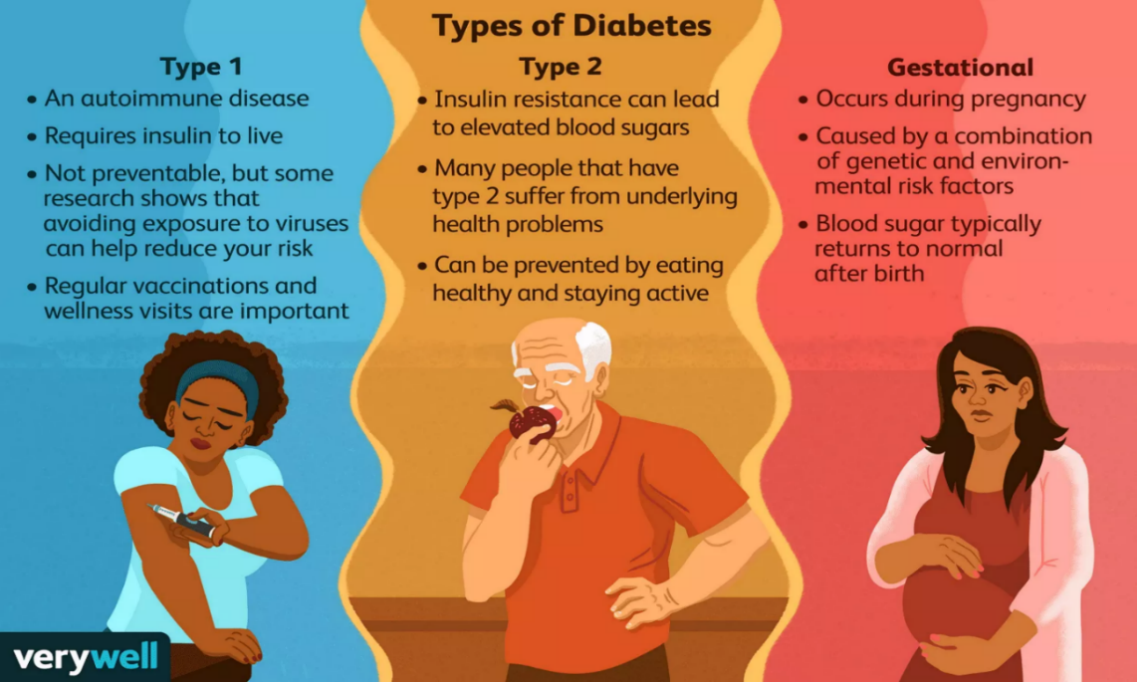
The disease is primarily classified into three main types based on its underlying cause:
1) Type 1 Diabetes (Insulin-Dependent):
- This is an autoimmune condition.
- For unknown reasons, the body’s own immune system attacks and destroys the insulin-producing beta cells in the pancreas.
- As a result, the body produces zero or very little insulin.
- This type typically develops in childhood or adolescence. Patients with Type 1 diabetes require daily insulin injections for survival.
2) Type 2 Diabetes (Non-Insulin-Dependent):
- This is the most common form, accounting for over 90% of all diabetes cases globally.
- In Type 2, the pancreas still produces insulin, but the body’s cells fail to respond to it effectively—a condition known as insulin resistance.
- To compensate, the pancreas produces more insulin, eventually wearing out.
- This type is heavily linked to lifestyle factors, including obesity, physical inactivity, and unhealthy diets.
- While it was traditionally considered an adult-onset disease, it is increasingly being diagnosed in children and young adults.
Gestational Diabetes: This type consists of high blood glucose levels that develop during pregnancy in women who did not previously have diabetes. While it usually resolves after childbirth, women who experience it have a significantly higher risk of developing Type 2 diabetes later in life.
Symptoms and Clinical Presentation
The classic symptoms of untreated diabetes are medically recognized by three distinct signs:
- Polyuria: Frequent and excessive urination, as the kidneys work overtime to filter out excess sugar from the blood.
- Polydipsia: Extreme thirst, caused by the severe dehydration resulting from frequent urination.
- Polyphagia: Increased hunger, because the body’s cells are starved of energy (since the glucose cannot enter the cells without insulin). Other symptoms include sudden weight loss, blurred vision, severe fatigue, and slow-healing wounds.
Long-Term Complications
If blood sugar levels are not kept under strict medical control, diabetes causes severe, irreversible damage to the body’s vascular system (blood vessels).
1) Microvascular Complications (Small Blood Vessels):
- High blood sugar damages the tiny blood vessels in the eyes, leading to Diabetic Retinopathy (a leading cause of blindness).
- It damages the kidneys, leading to Diabetic Nephropathy (kidney failure requiring dialysis).
- It also damages the nerves (Diabetic Neuropathy), which causes a loss of sensation in the feet, often leading to unrecognized foot injuries and subsequent amputations.
2) Macrovascular Complications (Large Blood Vessels):
- Diabetes significantly accelerates the hardening and narrowing of large arteries, vastly increasing the risk of fatal heart attacks and strokes.
The Public Health Challenge in India
- India is currently facing a severe diabetes epidemic, often being referred to as the “Diabetes Capital of the World.”
- The rapid epidemiological transition in the country is driven by rapid urbanization, a shift from traditional diets to highly processed foods, and increasingly sedentary lifestyles.
- Furthermore, Indians have a higher genetic susceptibility to insulin resistance compared to Western populations.
Government Initiatives and Management Strategy
Because Type 2 diabetes is largely preventable and manageable, public health strategies focus heavily on lifestyle modification and early detection.
- NP-NCD (National Programme for Prevention and Control of Non-Communicable Diseases): Previously known as NPCDCS, this is the government’s flagship programme. It focuses on health promotion, early diagnosis, and the management of common NCDs, including diabetes.
- Population-Based Screening: Under the comprehensive primary healthcare approach, mandatory screening for diabetes and hypertension is conducted for all citizens above the age of 30 at the Ayushman Bharat – Health and Wellness Centres (AB-HWCs) across the country.
- Preventive Campaigns: Initiatives like the Fit India Movement and the Eat Right India campaign (led by the Food Safety and Standards Authority of India) are designed to actively promote physical fitness and nutritional awareness at the grassroots level to prevent the onset of lifestyle diseases.
