Why in News?
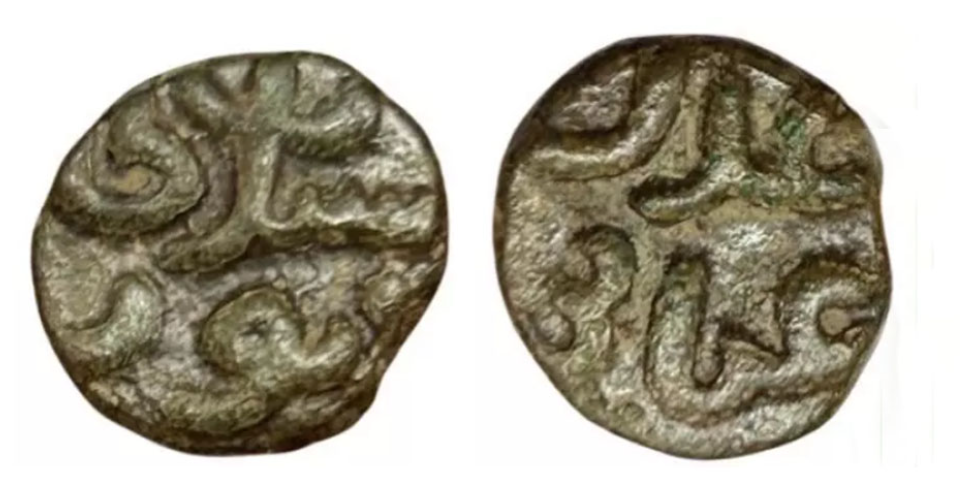
A rare copper Adil / ½ Paika coin of Ghiyath al-Din Tughluq has drawn attention for its historical value. The coin was minted at Warangal, which was renamed Sultanpur after its conquest by the Delhi Sultanate in 1323 CE.
Key Features of the Coin
The coin provides direct evidence of Tughluq authority in Warangal after the fall of the Kakatiya kingdom.
| Feature | Details |
| Coin type | Copper Adil / ½ Paika |
| Ruler | Ghiyath al-Din Tughluq |
| Period | 1320–1325 CE |
| Weight | 2.09 grams |
| Mint location | Warangal, renamed Sultanpur |
| Obverse inscription | “Adl Ghiyathi” |
| Reverse inscription | “bi-Sultanpur” |
The inscription “bi-Sultanpur” is historically important because it confirms the name given to Warangal during Tughluq rule.
Historical Background
- Warangal was an important centre of the Kakatiya kingdom. In 1323 CE, it came under the control of the Delhi Sultanate.
- After the conquest, Warangal was renamed Sultanpur. Later, in 1336 CE, local leaders led by Kapaya Nayaka drove out the Tughluq forces, and the city came to be known again as Warangal.
- This transition marks one of the major political changes in medieval Telangana.
Why the Coin is Important
1. Evidence of the Fall of the Kakatiyas
The coin is a material record of the collapse of the Kakatiya kingdom and the establishment of Tughluq rule in Telangana.
2. Proof of Warangal’s Renaming
The inscription “bi-Sultanpur” confirms that Warangal was known as Sultanpur during that period.
3. Symbol of Political Authority
By minting coins locally, the Tughluq rulers asserted their authority over newly acquired territory.
4. Record of Administrative Change
The coin reflects the administrative changes introduced after the Delhi Sultanate extended its control into Telangana.
5. Numismatic Testimony
It is not merely a relic of medieval trade; it is a numismatic source that helps reconstruct political history.
Conclusion
The rare copper Adil / ½ Paika coin minted at Warangal is an important historical source. Its inscription “bi-Sultanpur” confirms Warangal’s renamed identity under Tughluq rule and records the political shift that followed the fall of the Kakatiya kingdom. It shows how coinage functioned as a tool of authority, administration and territorial control in medieval India.