Why in News?
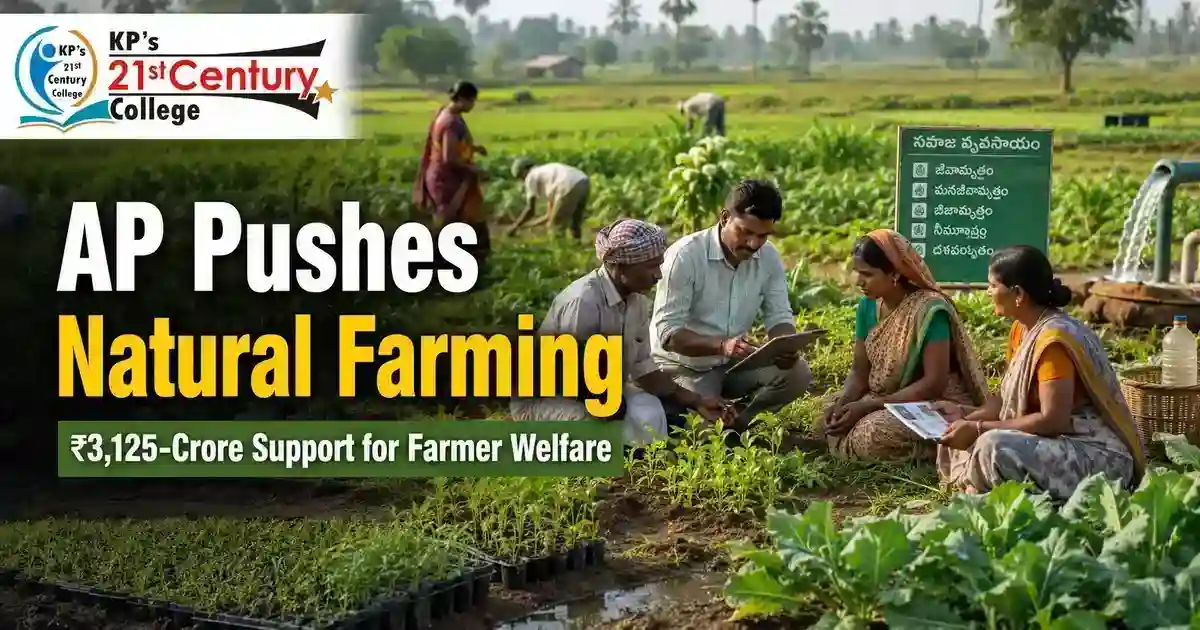
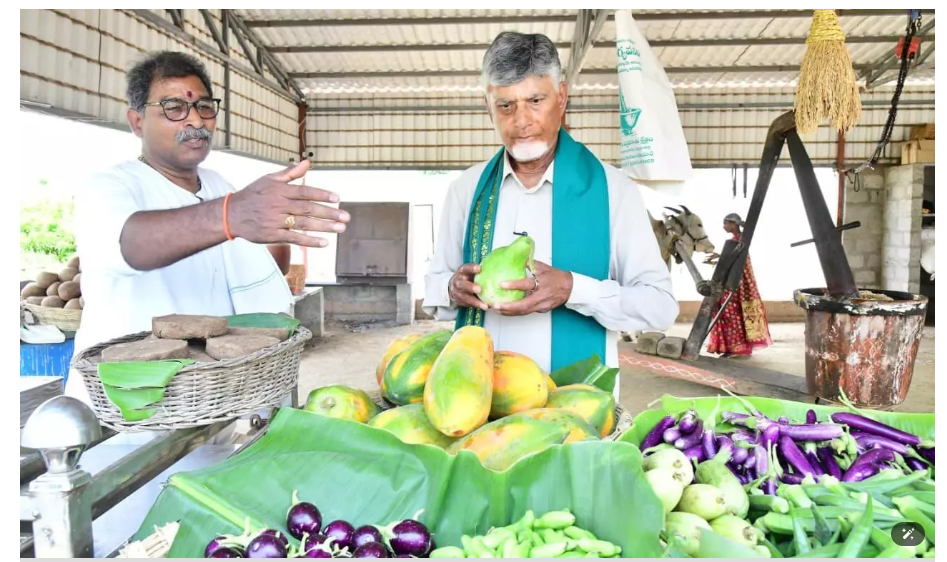
Andhra Pradesh Chief Minister N. Chandrababu Naidu released ₹3,125.47 crore under the PM-Kisan–Annadata Sukhibhava scheme, benefiting 46.86 lakh farmer families.The assistance was released during the PM-Kisan–Annadata Sukhibhava and Swachh Andhra–Swarna Andhra programmes at Linganguntla village in Palnadu district.The Chief Minister also emphasised natural farming, responsible use of agricultural chemicals, crop diversification, irrigation development and timely payments to farmers.
What is the PM-Kisan–Annadata Sukhibhava Assistance?
Each eligible farmer family received ₹7,000 in the first instalment:
- ₹5,000 from the Andhra Pradesh government
- ₹2,000 under the Union government’s PM-Kisan scheme
The State government has promised annual financial assistance of ₹20,000 per farmer family, consisting of:
- ₹14,000 from the State government
- ₹6,000 from the Union government
The present instalment covers 46,85,838 farmer families, including cultivators recognised under the Forest Rights Act.
What is Annadata Sukhibhava?
- Annadata Sukhibhava is Andhra Pradesh’s farmer-income support programme implemented along with PM-Kisan assistance.
- Its objective is to provide direct financial support to eligible farmer families and reduce their immediate cultivation-related financial burden.
- Agriculture Minister Kinjarapu Atchannaidu stated that ₹8,985.41 crore had been distributed under Annadata Sukhibhava during the previous year.
Why Did the Chief Minister Emphasise Natural Farming?
- Declining Soil Fertility: Excessive use of chemical fertilisers and pesticides can degrade soil health and reduce long-term agricultural productivity.
- Public-Health Concerns: High chemical residues in food may affect consumer health.
- Agricultural Sustainability: Input-intensive farming may undermine the ecological and economic sustainability of agriculture over time.
- Export Market Access: Agricultural products with excessive pesticide residues face rejection in international markets.
The Chief Minister urged farmers to follow scientific recommendations while applying fertilisers and pesticides and to gradually adopt natural-farming practices.
What is Andhra Pradesh’s Position in Natural Farming?
Andhra Pradesh was described as a national leader in natural farming, with nearly 20 lakh acres under natural cultivation.
Natural farming seeks to reduce dependence on external chemical inputs and promote:
- Soil-health restoration
- Local and biological inputs
- Reduced pesticide residues
- Lower cultivation costs
- Environmentally sustainable farming
Why are Pesticide Residues a Major Concern?
The Chief Minister referred to reports that China had returned three containers of chilli exported from Guntur because of pesticide-residue concerns.
This highlights two major risks:
- Export Rejection: Countries may reject farm products that do not meet residue-safety standards.
- Income Loss: Rejected consignments can reduce farmers’ earnings and damage the credibility of agricultural exports.
Therefore, farmers need to follow scientifically prescribed quantities and waiting periods while using fertilisers and pesticides.
How is the Government Supporting Farmers?
- Seed-to-Market Support: The State government stated that it was supporting farmers from seed supply to agricultural marketing.
- Timely Paddy Payments: Payments for procured paddy are being made within 48 hours.
- E-Crop System: Digital crop-registration systems help record cultivation details and support the delivery of government services.
- SMS Advisories: Farmers receive timely agricultural information and crop-related guidance through mobile messages.
- Fertiliser Availability: The government assured adequate fertiliser stocks across the State.
- Household Outreach: Public representatives will visit farmer households to understand problems and spread awareness about government schemes.
Why is Crop Diversification Important?
- Income Improvement: Cultivating a wider range of crops can create additional income opportunities.
- Risk Reduction: Dependence on a single crop exposes farmers to price, pest and climatic risks.
- Resource Efficiency: Different crops have different water and nutrient requirements, helping improve resource use.
- Market Responsiveness: Diversification allows farmers to respond to changes in consumer and export demand.
The government proposed direct engagement with farmers to promote crop diversification based on local conditions.
What Agricultural Programmes Are Being Revived?
The State government is reviving programmes related to:
- Soil-Health Conservation: Protecting soil fertility and promoting balanced nutrient application.
- Drip and Sprinkler Irrigation: Improving water-use efficiency.
- Farm Mechanisation: Reducing labour burden and improving operational efficiency.
- Drone-Based Agriculture: Using drones for agricultural monitoring and farm operations.
- Organic and Scientific Farming: Reducing excessive chemical use while improving productivity.
The agriculture minister specifically urged farmers to reduce excessive use of urea.
What is the Role of Technology in Agriculture?
- E-Crop Registration: Helps identify cultivated crops and link farmers with government services.
- SMS-Based Advisories: Provide timely information on cultivation practices and farm management.
- Drone Agriculture: Can support monitoring, spraying and precision-based farm operations.
- Micro-Irrigation: Drip and sprinkler systems deliver water efficiently and reduce wastage.
Technology can strengthen decision-making, reduce input costs and improve the delivery of agricultural support.
What is Swachh Andhra–Swarna Andhra?
As part of the Swachh Andhra–Swarna Andhra initiative, the Chief Minister laid foundation stones for two waste-to-energy plants in:
- Kadapa
- Kurnool
Key Facts
- Combined Capacity: 15 MW
- Investment: ₹330 crore
- State Plan: Establishment of eight waste-to-energy plants
The objective is to convert waste into energy and reduce the burden of accumulated garbage.
Significance
- Direct Income Support: Financial assistance reduces the immediate economic burden on farmer families.
- Sustainable Agriculture: Natural farming protects soil fertility and supports long-term productivity.
- Export Competitiveness: Lower pesticide residues can improve access to international markets.
- Water Security: Irrigation projects and micro-irrigation systems improve agricultural resilience.
- Technology Adoption: E-crop systems, SMS advisories and drones support modern farm management.
- Timely Procurement Payments: Paddy payments within 48 hours improve farmers’ cash flow.
- Inclusive Coverage: Farmers covered under the Forest Rights Act are included in the assistance programme.
Key Challenges
- Excessive use of chemical fertilisers and pesticides
- Declining soil fertility
- Pesticide residues in export produce
- Farmer dependence on a limited number of crops
- Need for scientific input use
- Timely completion of irrigation projects
- Expansion of natural farming without reducing farmer incomes
- Effective delivery of advisories and welfare benefits
Way Forward
- Scientific Input Use: Farmers should follow recommended doses of fertilisers and pesticides.
- Scale Up Natural Farming: Expansion should be supported with training, local inputs and market access.
- Residue Testing: Strong testing and traceability systems are needed for export-oriented crops.
- Crop Diversification: Crop choices should reflect soil, water availability and market demand.
- Strengthen Micro-Irrigation: Drip and sprinkler systems should be expanded in water-stressed areas.
- Improve Extension Services: E-crop records, SMS advisories and household visits should provide practical guidance.
- Ensure Market Support: Procurement, timely payments and marketing assistance should accompany production reforms.
Conclusion
Andhra Pradesh’s recent farmer-support programme combines direct income assistance, natural farming, irrigation development, digital agriculture and market support. The release of ₹3,125.47 crore provides immediate financial relief, while the focus on soil health, reduced chemical use and crop diversification addresses the long-term sustainability of agriculture.The success of this approach will depend on balancing environmental protection with productivity, income security and reliable market access for farmers.