Why in News?
The Telangana Police plans to deploy artificial intelligence tools in its emergency response system to identify spam and non-emergency calls, improve call filtering and reduce response time.Official data indicate that only about 0.28% of nearly 16 lakh calls received daily through the State’s integrated emergency network result in police complaints or emergency intervention.
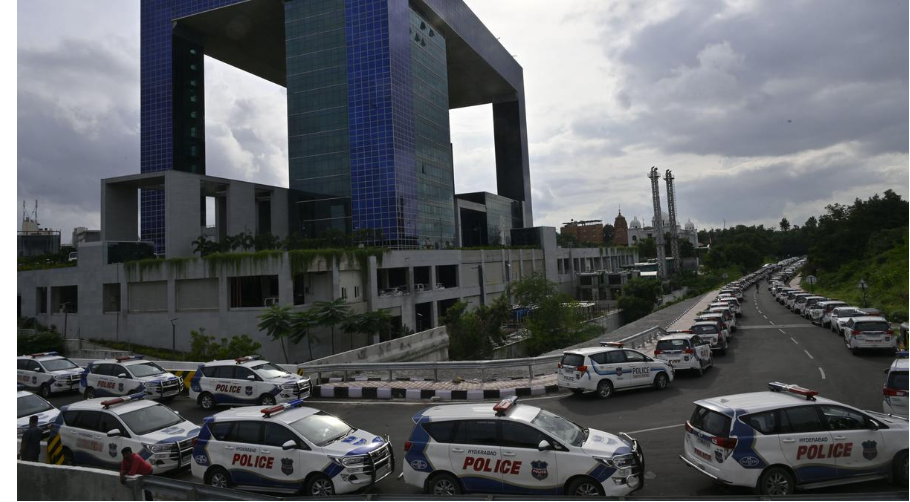
What is Telangana’s Emergency Response System?
The Emergency Response Support System (ERSS) integrates:
- 112: India’s unified emergency number for police, fire, medical and disaster services.
- Dial 100: The traditional police-emergency helpline.
The system connects call operators, police control rooms, patrol vehicles and emergency-dispatch teams.
What Does the Call Data Reveal?
Integrated Emergency Network
- The combined system receives nearly 16 lakh calls daily, but only around 4,500 calls lead to police intervention or an emergency response.
Emergency Helpline 112
- The 112 helpline receives the overwhelming majority of calls. After filtering through the Interactive Voice Response system, only a small proportion are identified as genuine emergencies requiring personnel to be dispatched.
A substantial number of calls are:
- Spam calls
- Accidental calls
- Information requests
- Follow-ups on earlier complaints
- Calls originating outside Telangana
Dial 100
Dial 100 receives fewer calls but records a much higher conversion rate. Around one-fifth of its daily calls result in police complaints or emergency action.
What Types of Calls are Common?
Domestic and Community Disputes
Domestic disputes and community-related conflicts account for the largest share of emergency calls.
Distress and Suicide-Related Incidents
Calls involving emotional distress and suicide risk form another major category requiring sensitive and immediate intervention.
Information and Follow-Up Calls
Citizens frequently call to:
- Seek information
- Follow up on earlier complaints
- Report suspicious activity
- Inform police about traffic congestion
Seasonal Emergencies
During the monsoon, calls increase regarding:
- Waterlogging
- Fallen trees
- Traffic disruption
- Local safety hazards
How Will AI Improve the System?
Spam-Call Filtering
AI can distinguish probable emergency calls from spam, accidental or repetitive calls before they consume operator time.
Pattern Analysis
The system can identify:
- Frequently repeated numbers
- Locations generating high call volumes
- Seasonal trends
- Peak-hour patterns
- Categories of recurring emergencies
Call Prioritisation
AI tools can classify calls according to urgency and ensure that life-threatening situations receive immediate attention.
Monitoring Conversion Rates
Police can track how many calls result in:
- Complaints, Personnel dispatch, Emergency intervention, False alarms,Information-only responses
Dispatch Monitoring
- AI can monitor the availability, location and movement of response vehicles to identify the nearest suitable police team.
Faster Decision-Making
- Operators may receive real-time prompts based on keywords, location and the nature of the incident.
- However, AI is intended to assist operators, not replace human assessment in sensitive emergencies.
What are the Present Response Times?
The average emergency-response time is approximately:
- 15 minutes in Hyderabad
- 20–30 minutes in towns and rural areas
The difference reflects traffic conditions, distance, geography and the availability of patrol vehicles.
Significance of the Initiative
- Improved Response Time: Genuine emergencies can be identified and prioritised faster.
- Efficient Use of Personnel: Operators and police teams can focus on serious incidents.
- Data-Based Deployment: Call patterns can guide the positioning of patrol vehicles.
- Better Disaster Response: Seasonal and location-based trends can improve preparedness.
- Reduced Misuse: Repeated spam callers can be identified and managed.
- Technology-Based Policing: The initiative strengthens Telangana’s use of digital tools in public safety.
Conclusion
Telangana’s plan to introduce AI into its emergency response system can improve call filtering, dispatch efficiency and response time. However, technology alone cannot solve the problem.
Effective implementation requires dedicated emergency resources, trained operators, strong privacy safeguards and public awareness. AI should strengthen human decision-making while ensuring that genuine emergencies receive timely and compassionate assistance.