Zero Duty on Raw Tobacco Products Will Benefit AP Farmers
Table of Contents
Relevance:
GS Paper III – Indian Economy – Agriculture pricing and farmer income – Taxation reforms and indirect taxes – Effects of government policies on agricultural markets
Important Keywords
For Prelims:
- Excise Duty, Unbranded Tobacco, HS Code 2401, Central Board of Indirect Taxes and Customs (CBIC), Gazette Notification, Indirect Taxes
For Mains:
- Agricultural price realisation, Tax rationalisation in farm commodities, Policy clarity and market efficiency, Farmer income support mechanisms, Formalisation of agricultural trade, Role of indirect tax reforms in reducing evasion
Why in News?
The Central Government has reduced the excise duty on unbranded/raw tobacco products (not packed for retail) to zero percent aiming to remove policy ambiguity, support farmers and traders, and streamline taxation. This applies to items under tobacco HS code 2401 and took effect from 1 February 2026.
Why This Decision Was Made
- Earlier, the law did not clearly differentiate between bulk/raw tobacco and branded products, resulting in confusion and classification disputes.
- This led to higher costs, loss of income, and trade difficulties for farmers, traders, and exporters.
- By zero-rating unbranded tobacco, multiple duty classifications are eliminated, simplifying trade and reducing financial stress.
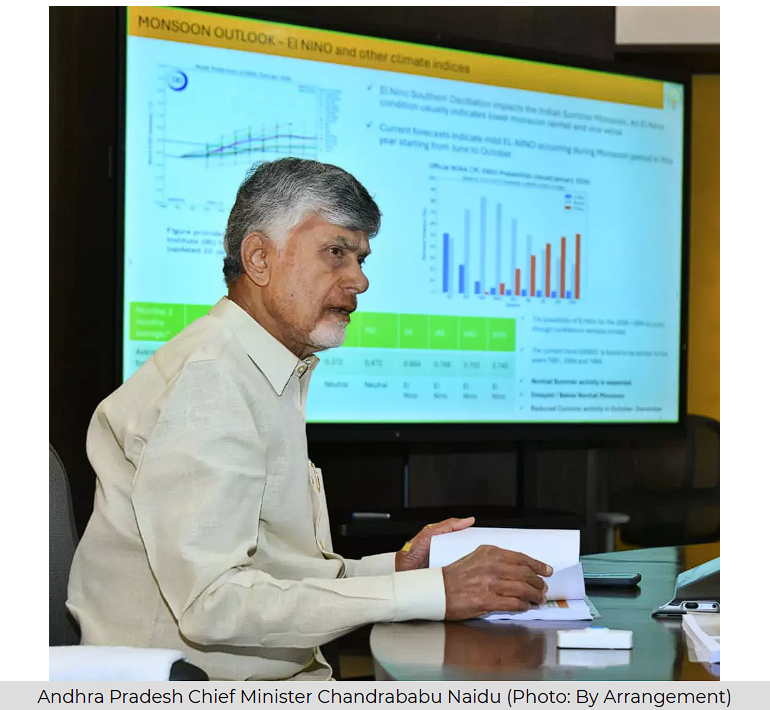
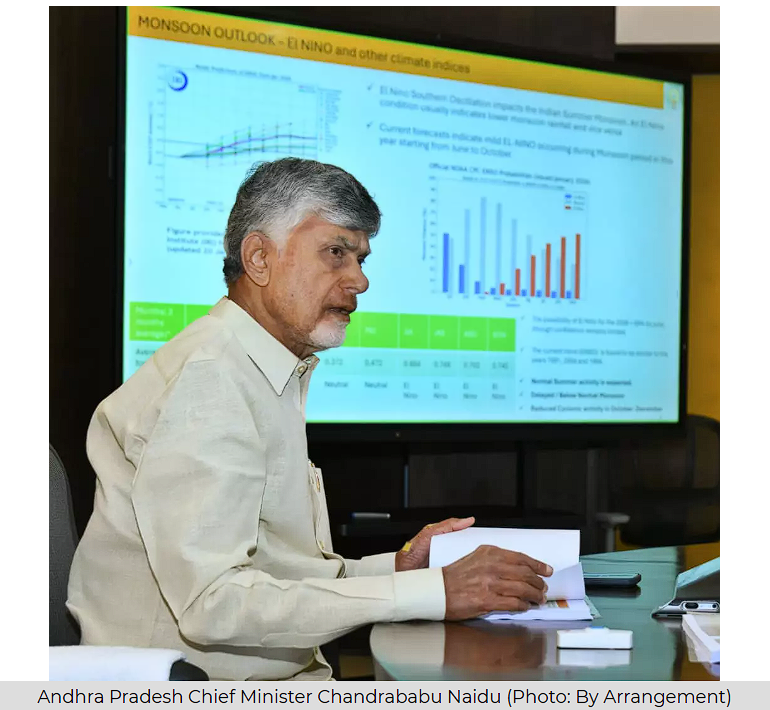
What AP CM Chandrababu Naidu Says
- The decision provides direct benefits to tobacco farmers in Andhra Pradesh.
- It ensures better pricing for farmers and lessens losses from regulatory ambiguity.
- Clear duty guidelines are expected to reduce excise duty evasion and curb misuse of classification loopholes.
- The AP Government has urged strict implementation of this policy uniformly across India.
Taxation & Agriculture

- Fiscal Policy: Excise duty changes affect government revenue and cost structures in agricultural goods processing.
- Agricultural Income Stability: Tobacco is a significant commercial crop in parts of Andhra Pradesh; reducing duty helps stabilize farmer incomes and market predictability.
Benefits
- Clarity in Policy reduces trade disputes and compliance costs.
- Higher Market Value for raw tobacco, benefiting farmers directly.
- Trade Boost for unbranded tobacco in domestic and export markets.
- Reduced Tax Evasion via reduced ambiguity in duty categorisation.
Possible Concerns & Considerations
- Tobacco is a health-harmful product; duty reductions might contradict public health objectives (e.g., discouraging tobacco consumption through taxation).
- States may face revenue shortfalls from excise duty cuts on a widely used commodity.
- Enforcement of “zero duty” must ensure it doesn’t feed into illegal trade or diversion.
Policy Implications
- The policy reflects a balancing act between farmer welfare and fiscal/public health goals.
- Suggests a trend towards simplified duty regimes to ease agricultural trade.
- Raises questions on how health-related taxes should interact with farmer livelihood policies.
Key Points
- Zero excise duty on unbranded raw tobacco (HS 2401) effective from 1 Feb 2026
- Aims to eliminate classification ambiguity, ease trade
- Expected to benefit farmers, traders, and exporters
- AP Government supportive and seeking strict implementation
Conclusion
The zero-duty reform highlights how targeted fiscal measures can stabilise agricultural markets and support farmer livelihoods. However, long-term policy must balance economic gains with public health and sustainable agriculture objectives.
CARE MCQ
Q. Consider the following statements regarding the zero excise duty on raw tobacco:
- The duty applies to unbranded tobacco products not packaged for retail sale.
- The reform aims to reduce tax evasion by clarifying classification rules.
- The notification was issued by the Ministry of Agriculture.
- Statement 1 – Correct: Zero duty applies to unbranded tobacco under HS Code 2401.
- Statement 2 – Correct: Clear rules reduce excise duty evasion.
- Statement 3 – Incorrect: The notification was issued by the Finance Ministry, not the Agriculture Ministry.