
The Lunar Polar Exploration mission (LUPEX)
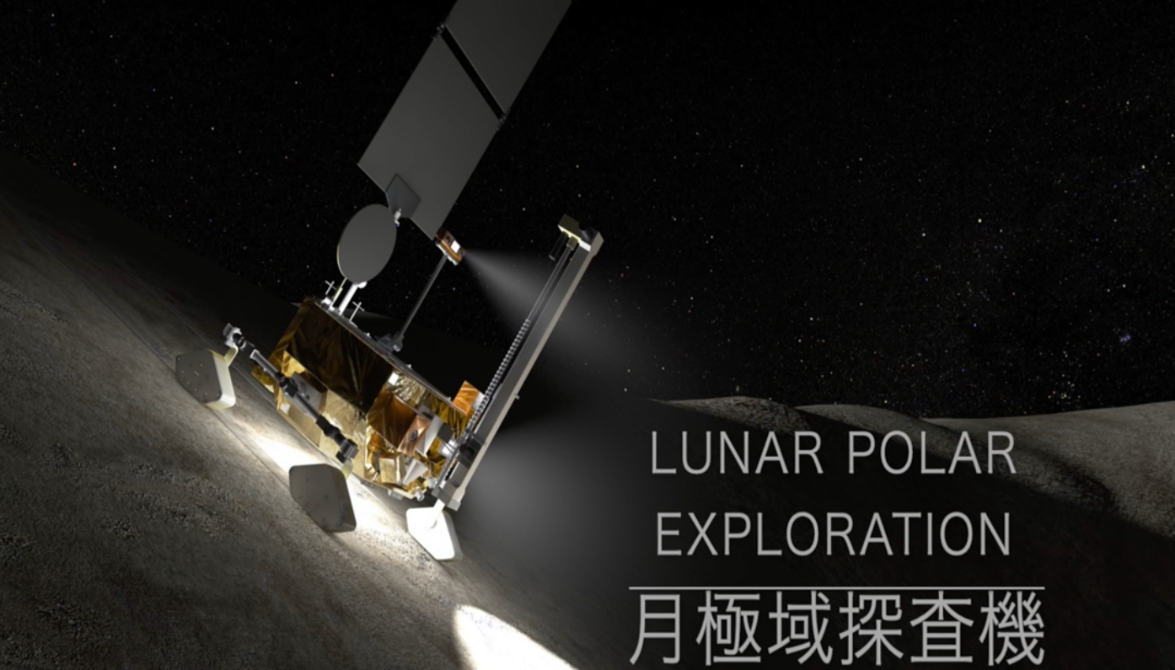
- Also known as Chandrayaan-4, is a planned robotic lunar mission concept by Indian Space Research Organisation (ISRO) and Japan Aerospace Exploration Agency (JAXA) that would send a lunar rover and lander to explore the south pole region of the Moon no earlier than 2026.
- JAXA is likely to provide the under-development H3 launch vehicle and the rover, while ISRO would be responsible for the lander.
- ESA and the Indian Space Research Organisation (ISRO) have signed a cross-support arrangement for the exchange of support and expertise that will ensure both agencies can get information to and from their spacecraft when they need to most – especially during mission-critical moments like the hours after launch or during a landing.
- India has signed the Artemis Accords, a US-led effort to send humans to the moon again by 2025, with the ultimate goal of expanding space exploration to Mars and beyond. The program aims to build a permanent presence in lunar orbit and on the surface, over half a century after the Apollo missions ended.
- The Outer Space Treaty, 1967
- On Jan. 27th, 1967, the United States, United Kingdom, and the Soviet Union sat down together to work out a treaty on the exploration and use of outer space.
- With the Soviets and Americans locked in the Space Race, there was fear on all sides that any power that managed to put resources into orbit, or get to the Moon first, might have an edge on the others – and use these resources for evil! As such, all sides signed “The Treaty on Principles Governing the Activities of States in the Exploration and Use of Outer Space, including the Moon and Other Celestial Bodies” – aka. “The Outer Space Treaty”.
- This treaty went into effect on Oct. 10th, 1967, and became the basis of international space law.
- The treaty is overseen the United Nations Office for Outer Space Affairs (UNOOSA). It’s a big document, with lots of articles, subsections, and legalese. But the most relevant clause is Article II of the treaty, where it states:
- “Outer space, including the moon and other celestial bodies, is not subject to national appropriation by claim of sovereignty, by means of use or occupation, or by any other means.”
- The Moon Treaty,1984
- On Dec. 18th, 1979, members of the United Nations presented an agreement which was meant to be a follow-up to the Outer Space Treaty and close its supposed loopholes. Known as the “Agreement Governing the Activities of States on the Moon and Other Celestial Bodies” – aka. “The Moon Treaty” or “Moon Agreement” – this treaty intended to establish a legal framework for the use of the Moon and other celestial bodies.
- Much like the Outer Space Treaty, the agreement established that the Moon should be used for the benefit of all humanity and not for the sake of any individual state.
- The treaty banned weapons testing, declared that any scientific research must be open and shared with the international community, and that nations and individuals and organizations could not claim anything.
These international treaties clearly mention that no nation owns these bodies. According to these treaties these bodies are there for the good of all human beings and it will be wrong for any state to own these lands and makes the private ownership of these bodies impossible.
India signed and ratified Outer Space treaty and India didn’t ratify moon treaty.
