Energy is essential for various activities such as cooking, lighting, transportation, and industrial processes. It can be derived from conventional sources like coal, petroleum, natural gas, and electricity, as well as non-conventional sources such as solar, wind, tidal, geothermal, biogas, and atomic energy.
- In rural India, firewood and cattle dung cake fulfill over 70% of energy needs, but their sustainability is a concern due to diminishing forest areas and the valuable manure used. This has led to efforts to promote alternative and more sustainable energy sources.
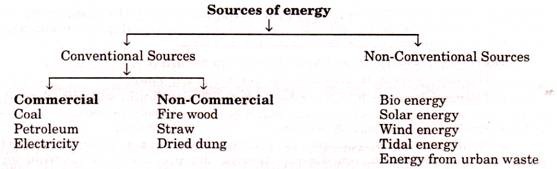
- Conventional sources of energy are the ones that are commonly used, and generally non-renewable sources of energy, which are being used since a long time.
- Examples of conventional sources of energy include oil, natural gas, coal, biomass, and electricity. The fossil fuels oil, gas and coal, provide more than 85 percent of energy consumed in the World.
- Though conventionally sourced energy may have a lower initial cost than non-traditional energy sources such as solar or geothermal, the world’s reliance on fossil fuels presents many challenges, including environmental damage, securing supply and resources and lack of sustainability.
- It is also becoming increasingly difficult to discover and exploit their new deposits.
- Oil and natural gas resources which require greater than industry-standard levels of technology or investment to harvest are known as “unconventional oil and gas” resources.
- The most common types of unconventional oil and gas resources are shale oil, oil sands, extra heavy oil, tight sands, coalbed methane, gas shales, and gas hydrates.
- Though these resources were historically overlooked in search of more economical, conventional reserves, the growing maturity of these plays in the world has led to increased investment in unconventional resource exploration.
- For example, shale gas is natural gas that is found trapped within shale formations. Shale gas has become an increasingly important source of natural gas in the United States since the start of this century, and interest has spread to potential gas shales in the rest of the world.
- In 2000 shale gas provided only 1% of U.S. natural gas production; by 2010 it was over 20% and the U.S. government’s Energy Information Administration predicts that by 2035, 46% of the United States’ natural gas supply will come from shale gas.
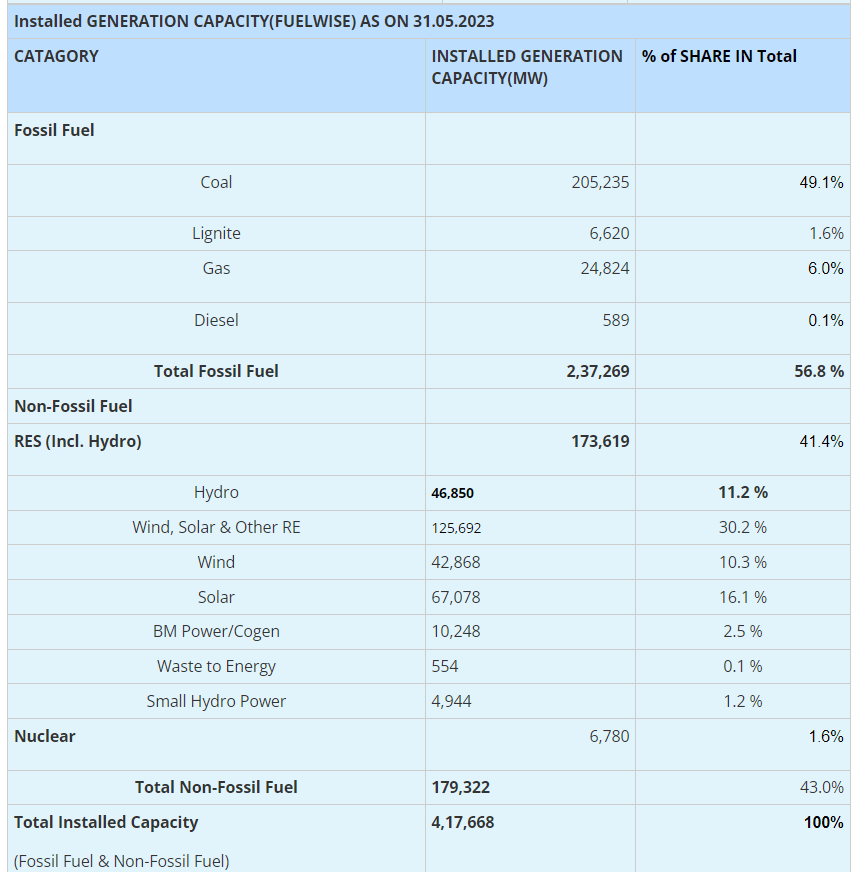
Installed GENERATION CAPACITY(FUELWISE) OF INDIA