Why in News?
- The approximately 2,300-year-old megalithic cairn site at Hasmathpet in Hyderabad has reportedly become a garbage-dumping ground despite being a protected monument.
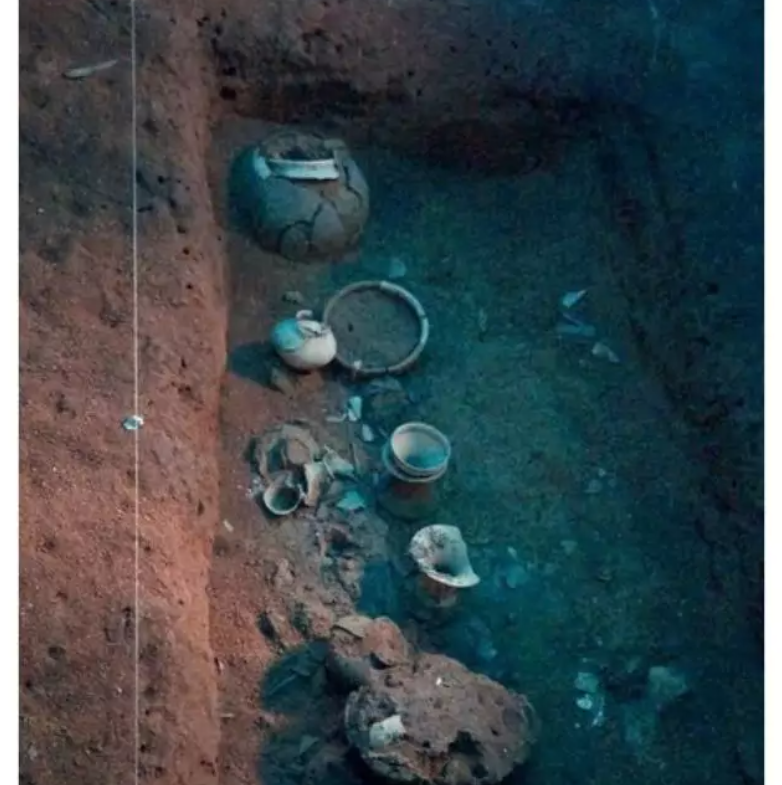
What is the Hasmathpet Megalithic Site?
- Location: Hasmathpet, Hyderabad, Telangana.
- Period: The site has been dated to approximately the second century BCE.
- Nature: It is an ancient megalithic cairn site associated with the burial practices of early communities.
- Protected status: It has been recognised as a protected monument.
- Historical value: The site provides archaeological evidence that the history of the Hyderabad region extends back approximately 2,300 years.
What is a Cairn Burial?
A cairn is a burial structure in which stones are arranged or piled over a grave. Such burials are commonly associated with the megalithic period.
The Hasmathpet site preserves evidence of the:
- burial customs of ancient communities;
- use of iron and stone implements;
- agricultural activities of early settlements;
- and pottery traditions of the period.
What is the Historical Background of the Site?
Discovery
- The megalithic remains at Hasmathpet were first discovered during the early 1900s.
Nizam-Period Excavations
- Archaeological excavations were conducted during the Nizam’s rule in 1934–35.
- These excavations helped establish the historical and archaeological importance of the site.
Excavations in 1971
- The Birla Archaeological and Cultural Research Institute conducted further excavations in 1971.
- The objects recovered from the site provided information about the tools, occupations and material culture of the ancient population.
What was Discovered During the Excavations?
Important archaeological objects recovered from Hasmathpet include:
- agricultural implements;
- iron implements;
- stone axes;
- and pottery.
These artefacts are preserved in the Birla Museum.
The discoveries indicate that the communities associated with the site:
- practised agriculture;
- possessed knowledge of iron technology;
- used stone tools;
- produced pottery;
- and followed organised burial practices.
What is the Present Condition of the Site?
Garbage Dumping
- Heaps of garbage have reportedly accumulated at the protected site.
- The absence of proper maintenance has made the archaeological remains vulnerable to damage.
Damaged Protective Infrastructure
The monument’s protective arrangements are in poor condition, including:
- the tin shed covering the site;
- fencing around the monument;
- and information signage.
Difficulty in Locating the Monument
- The site is situated within a residential area.
- It lacks clear directional and explanatory boards.
- Visitors may find it difficult to identify and reach the monument.
Limited Public Awareness
- Many local residents are reportedly unaware of the site’s archaeological value.
- Inadequate awareness has contributed to garbage dumping and prolonged neglect.
Encroachment Concerns
- HYDRAA has recently protected the site from encroachments.
- However, physical protection must be supported by regular maintenance and public monitoring.
What Conservation Measures Have Been Proposed?
Cleaning and Restoration
- Remove garbage and restore the archaeological site without damaging its original remains.
- Establish a regular maintenance mechanism to prevent renewed dumping.
Stronger Physical Protection
- Replace the damaged tin shed.
- Install proper fencing to restrict unauthorised entry and waste disposal.
- Ensure protection of the burial remains from weather and human interference.
Informative Signage
- Replace damaged boards with clear and durable signage.
- Explain the site’s historical period, excavation history and major findings.
- Install directional boards to help visitors locate the monument.
Community Awareness
- Inform residents about the archaeological importance of Hasmathpet.
- Encourage local participation in monitoring and protecting the monument.
- Promote heritage awareness among students and neighbourhood associations.
Development of a Site Museum
Heritage activists have proposed developing the location as a site museum to:
- preserve archaeological remains;
- display information about recovered artefacts;
- explain megalithic burial practices;
- and improve public understanding of Hyderabad’s ancient past.
Heritage-Tourism Promotion
- The site could be promoted as a megalithic heritage and tourism destination.
- Conservation must remain the primary objective while developing visitor facilities.
Conclusion
The Hasmathpet megalithic site is an important archaeological link to Hyderabad’s ancient past. Its neglect demonstrates the need for regular maintenance, effective institutional responsibility and community participation in heritage protection. Scientific restoration, informative signage and responsible development as a site museum can preserve the monument while making Telangana’s early history accessible to the public.